
Agree the comparison level
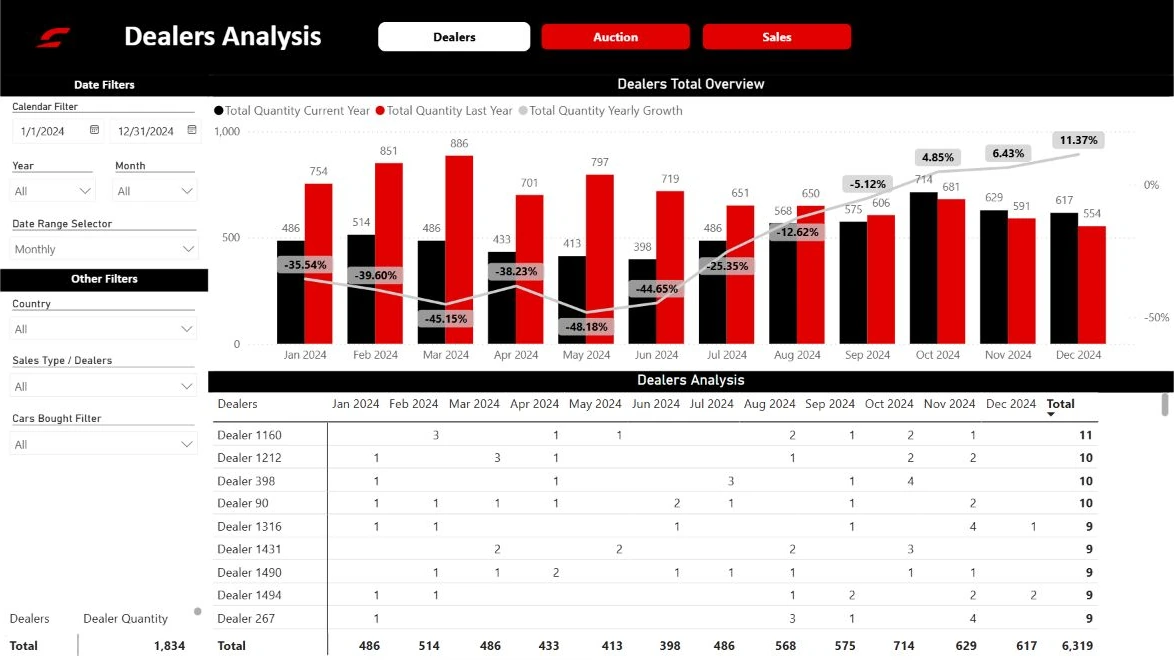
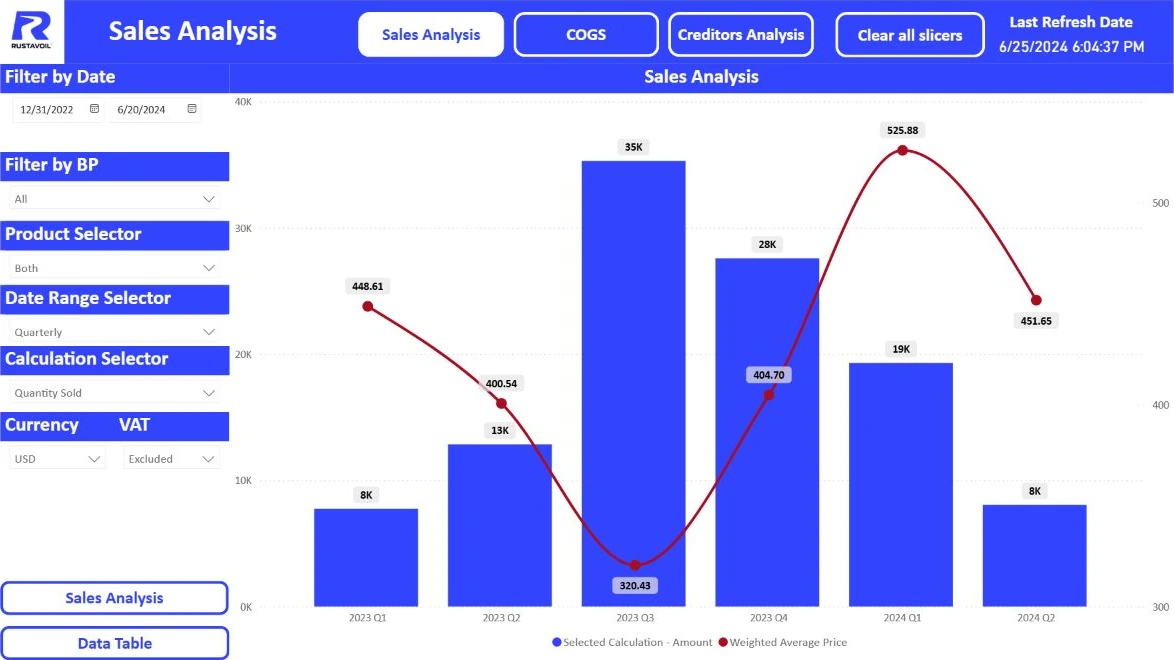
If targets are set by month and branch, aggregate actuals to the same level. Daily product transactions and monthly branch targets have different granularity and need deliberate modeling.
Repeating a GEL 30,000 target on every sales row and summing it would inflate the plan. Each target must be counted once for the unit and period it belongs to, regardless of how many transactions took place.
Separate full-month and to-date questions
Separate the full-month target from the planned amount to date. Spreading a monthly target evenly across working days can be a starting assumption, but may misrepresent seasonal or month-end sales patterns.
If there is no approved daily allocation, say so. Label a calculated pace as an estimate, not as an agreed daily target. Keep forecasts separate as well: an updated expectation does not replace the original goal.
Read amount and percentage together
In an invented example, one branch is GEL 10,000 below a 100,000 target, while another is 2,000 below a 10,000 target. The second has the larger percentage shortfall; the first has the larger monetary impact.
Show both differences. Define a separate outcome for a zero target rather than displaying infinite attainment. Also distinguish overspending from exceeding a sales goal: the same sign does not always mean a favorable result.
Close the review with a reason and next step
Investigate gaps by branch, product and period. Separate documented causes from hypotheses. A delayed one-off order and a lasting change in demand call for different responses.
Retain the target version, approval date and owner. If the target changes, the original comparison should remain recoverable. When planning this report with DataStudio, start by identifying exactly which version of the plan is being compared with actuals.
Put this into practice with your data
Tell us which reports you use and what you would like to improve. We will work out where to start together.
Tell us about your task